

Best Milk for a 1-Year-Old in Nigeria: Growing-Up Milks Compared
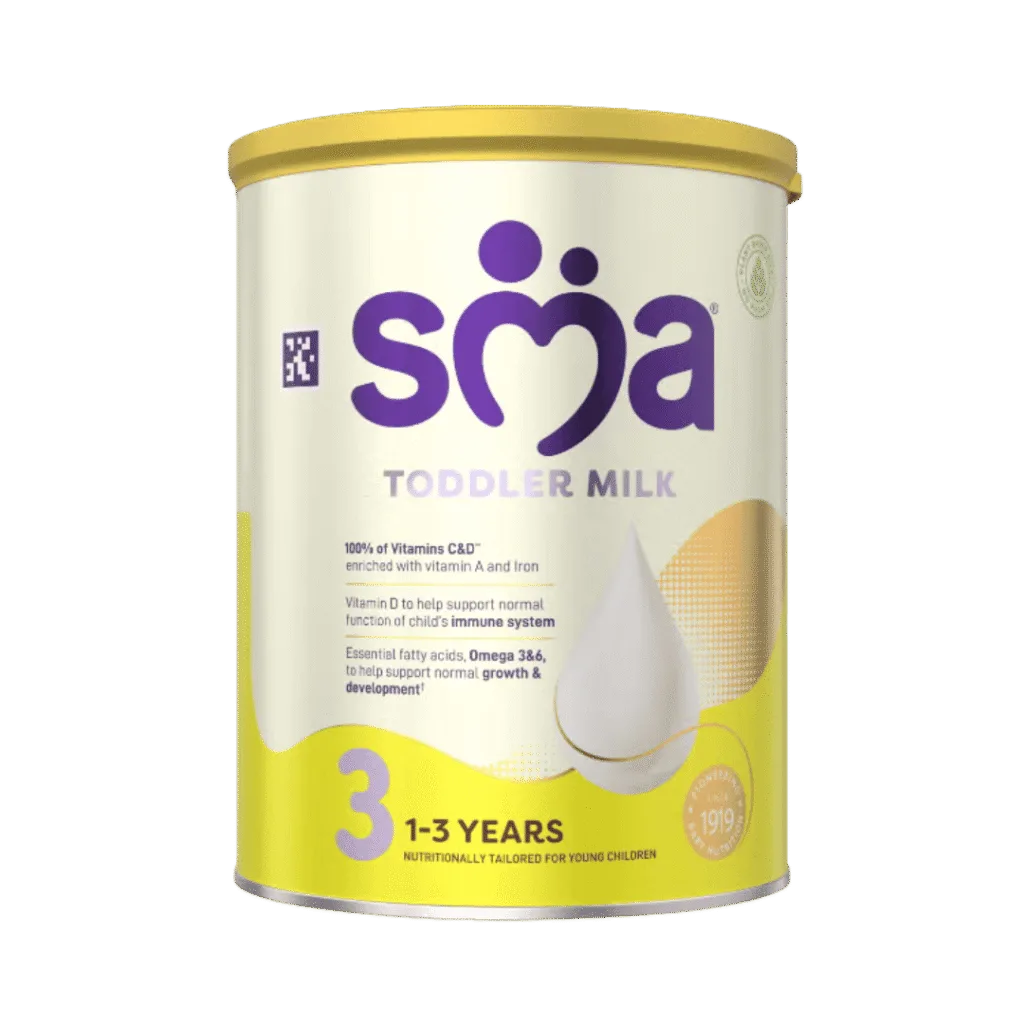
From 12 months, a healthy child can drink whole (full-cream) cow’s milk as their main milk, or carry on with breast milk. A growing-up milk (a “stage 3” formula) is an option, not a must. It suits parents who want extra vitamins and minerals, or whose child is a picky eater, and it costs more than plain milk. This guide explains the choices and compares the growing-up milks available in Nigeria, with today’s prices.
This is general guidance. If your child was born early, has allergies, is underweight or has a medical condition, ask your doctor which milk to use.
Your three options at 1 year
- Breast milk: health bodies such as the World Health Organization advise continuing breastfeeding up to 2 years and beyond, alongside family food.
- Whole (full-cream) cow’s milk: fresh, UHT or full-cream milk powder made up as the tin says. Use full-cream, not skimmed or low-fat, until at least age 2.
- Growing-up milk (stage 3): a milk drink with added vitamins and minerals, such as iron and vitamin D, made for children from 1 to 3 years.
How much milk does a 1-year-old need?
Milk is now a drink alongside meals, not the main food. Many health services, including the UK’s NHS, suggest about 300–400ml of milk a day for children aged 1 to 2, plus yoghurt or cheese. Too much milk fills a child up and leaves less room for iron-rich foods like beans, eggs, fish and meat. Offer milk in an open or free-flow cup, and phase out the bottle.
Growing-up milks in Nigeria compared
Our Lagos store prices on 21 October 2026. Prices change, so open the product page for today’s price at your store.
| Milk | Age on pack | Size | Price (21 Oct 2026) |
|---|---|---|---|
| Aptamil 3 Growing Up | 1–2 years | see pack | ₦32,200 |
| SMA PRO 3 Growing Up | 1–3 years | 800g | ₦28,600 |
| Kendamil Toddler 3 | 1–3 years | see pack | ₦32,500 |
| HiPP Organic 3 | 1 year+ | see pack | ₦37,000 |
| NAN Pro 3 | 12–36 months | 800g | ₦31,500 |
| Lactogen 3 | 1 year+ | 400g | ₦10,500 |
| Lactogen Pro 3 | 1 year+ | 350g | ₦8,000 |
| Peak 1-2-3 Growing Up | 1–3 years | 360g refill | ₦7,500 |
| Dano Gold Growing Up | 1–3 years | 350g | ₦7,000 |
| NIDO Kinder 1+ | 1 year+ | 2.2kg | ₦63,000 |
| Enfagrow Premium Toddler | 1–3 years | see pack | ₦67,000 |
Cow & Gate 3 and NAN OptiPro 3 are out of stock as we write. See all options in Baby Milk.
How to choose
- Keep the same brand if it works. If your child did well on a brand’s stage 1 and 2, its stage 3 is the easiest next step.
- Compare the cost per month, not per tin. A refill or sachet costs less up front, but an 800g or 2.2kg tin may cost less per serving.
- Read the age on the pack. Some milks are for 1–2 years and others for 1–3 years. Aptamil 4 and Peak 4-5-6 are for older children.
- Food first. No milk replaces a varied diet. A growing-up milk tops up nutrients; it does not replace meals.
Does any milk boost brain development?
No milk on its own makes a child smarter. Some growing-up milks add DHA, an omega-3 fat found in the brain, and iron, which children need for healthy development. The same nutrients come from a varied diet: fish, eggs, beans, green vegetables and meat. Plenty of sleep, play and talking with your child matter as much as any tin.
Frequently asked questions
Can my 1-year-old drink regular full-cream milk?
Yes, for most healthy children from 12 months, as part of a balanced diet. Use full-cream, not low-fat or skimmed milk, and avoid condensed or sweetened milks as a main drink.
When should I move from stage 2 to stage 3?
At around 12 months, when your child eats family meals. Switch gradually over a few days.
Which growing-up milk costs the least?
Among the milks above, Dano Gold Growing Up (350g, ₦7,000) and Peak 1-2-3 (360g refill, ₦7,500) cost the least per pack on 21 October 2026. Compare the size too, since bigger tins can cost less per serving.
What is the best cereal for a 1-year-old?
Many families use infant cereals such as Cerelac, Nutribom or Lamosa alongside family meals. See the Baby Cereal category.
Related guides: NAN vs Lactogen and Aptamil vs NAN vs Kendamil.